Why a Comedian Is Being Sued Over a Joke About The Lion King — and Why Seth Rogen Wasn’t
Published on Mar 31, 2026
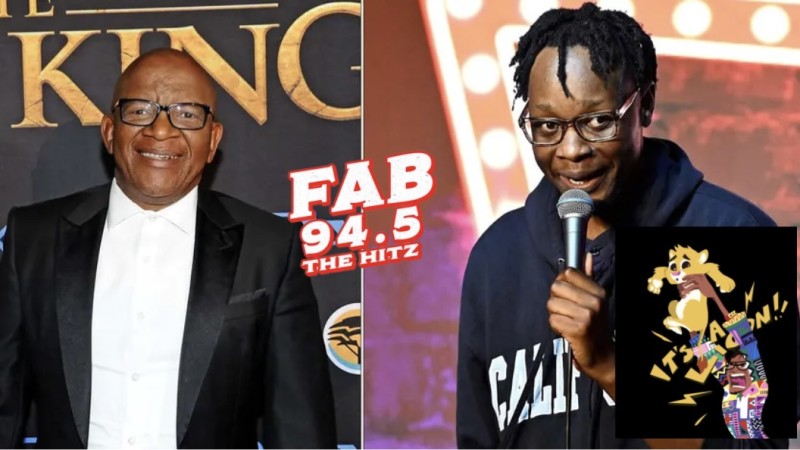
Los Angeles, CA — A bizarre legal drama has unfolded this month after South African composer Lebo M filed a $27 million lawsuit against Zimbabwean comedian Learnmore Jonasi for joking about the lyrics to The Lion King’s Circle of Life opening chant. The case has sparked a broader debate about humor, cultural meaning, and whether a well‑known actor like Seth Rogen would face similar repercussions for a comparable joke.
The Lawsuit That Took Everyone by Surprise
Lebo M — born Lebohang Morake — co‑wrote and performed the famous Zulu chant that begins The Lion King’s iconic Circle of Life theme. In March 2026, he filed a lawsuit in a U.S. federal court alleging that Jonasi’s viral joke — claiming the lyrics literally meant “Look, there’s a lion. Oh my God” — distorted the chant’s cultural and artistic significance and caused reputational and economic harm to him.
According to the complaint, Jonasi’s misrepresentation was presented as factrather than satire, leading to viral misinformation that Lebo M says disrupted his income and professional relationships, including with Disney.
In an extraordinary moment that underlined the case’s surreal nature, Jonasi was reportedly served the lawsuit papers live during a performance at the Laugh Factory comedy club. Many in the audience initially thought the delivery was part of his routine.
What Is the Joke About?
The lyrics in question — “Nants’ ingonyama bagithi Baba…” — are sung in Zulu and have an official cultural interpretation that refers to royalty and honor, often translated as something akin to “All hail the king, we all bow in the presence of the king.” Jonasi’s gag reduced it to a flat, literal description for comedic effect.
So What About Seth Rogen?
Seth Rogen voiced the character Pumbaa in Disney’s The Lion King remake and has long been associated with the Lion King franchise, but there is no record of Rogen being sued or even publicly criticized by Lebo M for joking about the lyrics. No reputable news outlets or court documents suggest any legal dispute between Lebo M and Seth Rogen over commentary or humor. (Search results show only casting and film information, not legal action.)
There are a few plausible reasons for the difference in reaction:
1. Context and Delivery Matter
Jonasi’s remark occurred in a podcast and stand‑up routine where he confidently repeated a simplified translation as if it were factual, not just lightheartedly riffing on pop culture. Lebo M’s legal team argues this blurred satire with misinformation.
If Rogen ever joked casually about the movie or lyrics — as many actors do in interviews or talk shows — it likely stayed in the realm of light comedy about the film, not a statement that could be framed as a “false representation” harming the composer’s reputation or income.
2. Status and Relationships in Entertainment
Rogen is a major Hollywood actor with longstanding ties to Disney through the Lion King project. There’s a big difference between an established franchise star making an off‑hand joke and a viral comedian’s remark gaining traction as a supposed factual translation. In the industry, context, professional relationships, and intent all influence how remarks are received (legally or publicly).
3. No Reported Harm in Rogen’s Case
For a lawsuit like this to be viable, plaintiffs typically must show actual damage — that the comment not only offended someone but caused measurable harm. There’s no indication that any joke by Rogen led to commercial loss, misrepresentation, or a viral misunderstanding of The Lion King chant.
4. Cultural Versus Comic Comments
Jonasi’s interpretation touched directly on the cultural and linguistic meaning of a chant rooted in a Southern African language. Lebo M’s argument emphasizes that his work represents not just a pop‑culture song but a ceremonial proclamation in its original context. The claim contends that reducing it to a simple, pop‑culture meme trivializes that history — a distinction that may not apply to other kinds of humour.
⸻
A Broader Conversation
While the lawsuit’s legal merits will be tested in court, the incident has ignited discussion about comedy, cultural interpretation, and how public figures manage humor about shared cultural touchstones. Critics argue that suing over a joke could chill creative expression, while supporters say it highlights the importance of respecting language and heritage in global media.
Whatever the outcome, the case reflects an unusual intersection of entertainment, law, and cultural sensitivity — and underscores that not all jokes land in the same way once they enter the courtroom.