Ye (formerly Kanye West) — BULLY: A Polarizing Return
Published on Mar 31, 2026
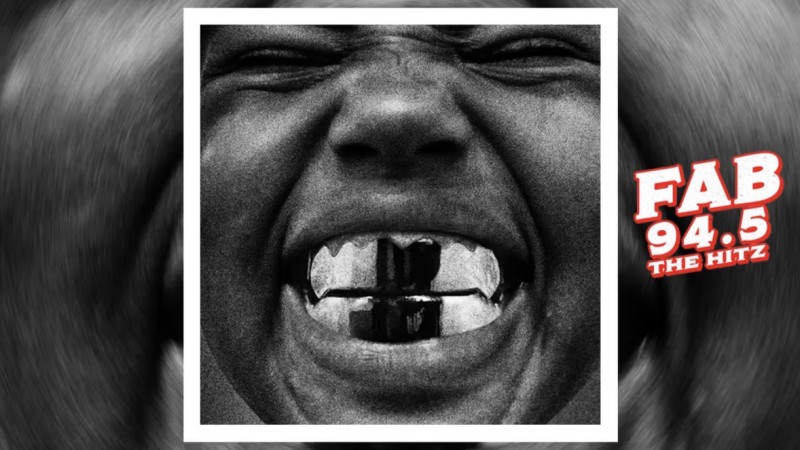
After years of delays, public turbulence, and shifting artistic direction, Ye’s twelfth solo studio album, BULLY, has finally arrived. Released in late March 2026 through his own YZY label in partnership with independent company Gamma, the project marks one of the most talked‑about releases of the year.
Release and Context
BULLY dropped on March 27–28, 2026, ending a prolonged and unpredictable rollout that spanned sneak previews, tracklist leaks, listening parties, and multiple delayed release dates.
The album arrives in a charged cultural moment for Ye, coming on the heels of widely covered controversies — including past antisemitic statements and public disputes — and a full‑page apology he placed in The Wall Street Journal earlier this year, attributing his behavior in part to mental health challenges and past injury.
Artistic Vision and Themes
Ye has described BULLY as a deeply personal work that grapples with “remorse, memory, ego, faith, and consequence,” aiming for storytelling rather than self‑defense through music.
Though the title might suggest aggression, the record reportedly surfaces vulnerability as much as bravado — from reflections on relationships to spiritual questing — even as fans debate whether the project truly dives into resolution or merely expresses inner conflict.
Tracklist and Sound
The official tracklist shared before release includes 18 songs, with titles that range from contemplative to confrontational:
1. Sisters and Brothers
2. Whatever Works
3. Father
4. All the Love
5. I Can’t Wait
6. Bully
7. Mama’s Favorite
8. Punch Drunk
9. This a Must
10. Outside
11. Preacher Man
12. White Lines
13. Circles
14. This One Here
15. King
16. Beauty and the Beast
17. Damn
18. Last Breath
Some versions circulating online and on platforms like YouTube also include bonus tracks like “Highs & Lows” and “Mission Control” depending on the release.
Musically, BULLY blends Ye’s signature sampling and unconventional production choices with atmospheric beats, minimalistic vocals, and moments that feel intentionally fragmented — a stylistic move that has split listeners on whether this is introspective art or undercooked experiment.
Controversy and Promotion
The album’s marketing has been quintessentially Ye — chaotic, provocative, and news‑making. Long before the official release, the project was teased with short films, surprise previews, and social media posts that included misdirection about AI usage in the music. Ye publicly declared that BULLY would feature “no AI,” pushing back against speculation and reactions to early leaks.
Featured artists reportedly include collaborators like Travis Scott, CeeLo Green, and Andre Troutman, adding a range of voices to the record’s texture.
Reception and Fan Reaction
Critical and fan responses have been mixed to divisive:
• Some reviewers describe BULLY as a reflective return to more thoughtful production, highlighting certain tracks as standouts and praising its ambition.
• Others find the record uneven, pointing to its sparse energy or lyrical abstraction, and comparing it unfavorably to Ye’s earlier catalogue.
• Online fan discussions illustrate the split, with some listeners championing the production while others criticize its mixing, pacing, or overall coherence.
Commercially, BULLY generated buzz on streaming platforms, with reports of strong first‑day numbers and spirited debate over actual statistics.
What BULLY Represents
Whether BULLY will stand as a high point, a turning point, or another controversial footnote in Ye’s complex legacy is still being debated. For many, its release signifies a moment of renewed activity and visibility after a period of uncertainty — marking not just a new album, but a new chapter for one of hip‑hop’s most enigmatic figures.