The Long Game: How Danny Boy’s Songs Became the Soul of a Generation
Published on Feb 23, 2026
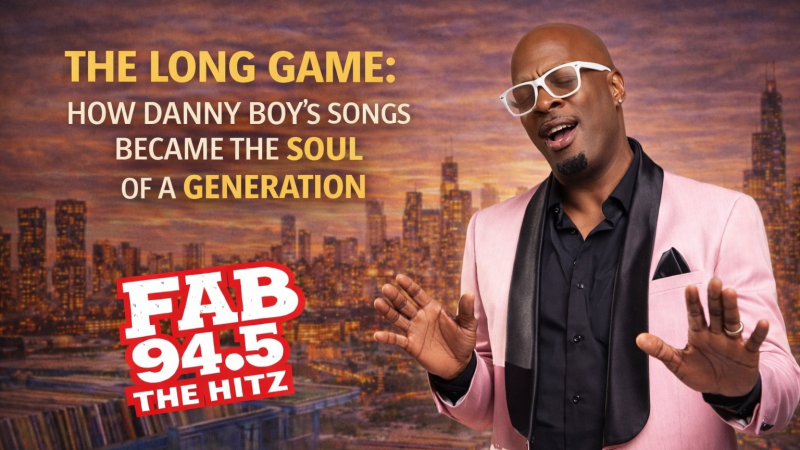
In hip-hop lore, there are names that echo. Tupac. Snoop. Dr. Dre. But tucked between those titans — carved into some of the most iconic records of the 1990s — is a voice that moved with a different kind of power: smooth, plaintive, unguarded. That voice belongs to Daniel “Danny Boy” Steward, the Chicago-born R&B crooner whose choruses helped define an era and whose own story is a lesson in survival, reinvention, and quiet resilience.
Chicago Beginnings and a Collision With History
Born on October 31, 1977 in the Austin neighborhood on Chicago’s West Side, Danny Boy’s earliest memories were painted in gospel music and late-night soul. His talent was undeniable — a tenor with a soaring falsetto, unusually mature for someone so young — and it didn’t take long for industry eyes to spot him.
At just 16, he signed with Death Row Records — a label then synonymous with power, danger, and contradiction. Under the mentorship of Suge Knight, Danny Boy found himself inside the machine that was reshaping music. This wasn’t a gentle onboarding; it was steeped in the grit of gangsta rap’s peak, where studio time was a battleground and every track had to hit with the force of an anthem.
He made his recording debut in 1994 on Murder Was the Case with “Come When I Call,” produced by DJ Quik — a smooth, urgent R&B cut that set the tone for what was to come. Soon after, his breakout single “Slip N Slide” showcased his melodic command, featuring a young Ginuwine on the hook.
But Danny Boy didn’t just shine on his own tracks — he became the voice behind some of hip-hop’s most unforgettable moments.
The Hooks That Defined an Era
Two of the biggest albums in 90s rap include his unmistakable voice:
• On All Eyez on Me — 2Pac’s double-platinum opus — Danny Boy’s vocals grace “I Ain’t Mad at Cha,” “Picture Me Rollin’,” “Heaven Ain’t Hard 2 Find,” and “What’z Ya Phone #.” These weren’t background layers; they were emotional cores — the hooks that turned verses into memories.
• On The Don Killuminati: The 7 Day Theory, he appeared on “Toss It Up,” a testament to how deeply he was woven into that creative period.
What many fans don’t immediately hear is how these hooks weren’t just melodic flourishes — they were emotional ballast for lyrics that grappled with loss, loyalty, and the fragility of survival. Those melodies didn’t merely ride the verses — they consoled them.
According to interviews, there were moments when the weight of those sessions went far beyond the studio. Stories persist about Danny Boy singing classics like “A Change Is Gonna Come” to Tupac in the hospital after the Las Vegas shooting, bringing tears to the rapper’s eyes — a testament to the mutual respect they shared.
Unreleased Dreams and Industry Frustrations
Despite the high-profile collaborations, Danny Boy’s own albums stayed locked away. He recorded multiple albums’ worth of material while at Death Row — only for them to sit unreleased as the label’s internal chaos spiraled.
It wasn’t until April 20, 2010 — years after the heyday of Death Row — that a long-labored project finally saw the light as It’s About Time, a compilation of his 90s recordings produced by legends like DJ Quik and DeVante Swing. Yet while it was an important release, it still wasn’t the fully realized voice of the artist himself, but rather a retrospective artifact.
Out, Open, and Owning His Story
In 2016, Danny Boy publicly came out as gay, a move that rippled through a music industry — and a genre — often hesitant to embrace queer identities. For Danny, it was more than a headline; it was a reclamation of self after years of existing in spaces that demanded persona over personhood. Industry narratives hadn’t always allowed room for artists like him, and his honesty challenged that.
He spoke about personal loss and how the suicide of a former partner pushed him toward authenticity, not just as an artist but as a role model for LGBTQ people struggling with shame and acceptance.
A Renaissance With Black Heart
After nearly two decades away from the spotlight, Danny Boy came back not with nostalgia, but with conviction.
In February 2023, he released Black Heart, his first proper studio album as a mature artist — a soul-deep record born from years of reflection and experience. The lead single, “This Song,” resonated with fans and climbed the R&B charts, reminding the world why his voice mattered beyond 90s nostalgia.
With Black Heart, Danny Boy wasn’t just revisiting past glories — he was rewriting his narrative. Tracks like “Done Me Wrong,” “Crazy,” and “OD” unfold like personal essays, exploring love, loss, resilience, and hope. Critics saw it not as a comeback but as arrival — a testament to an artist finally in full command of his story.
Beyond the Music
Music is just one stanza in Danny Boy’s larger composition. He’s ventured into entrepreneurship and community space, including ventures like his Chicago eatery Oh Danny Boys, where soulful comfort food meets cultural celebration.
What remains constant is his belief that R&B isn’t dead — it’s evolving, and he’s part of that evolution. His voice doesn’t just echo the past; it speaks to contemporary longing for authenticity, connection, and rhythm rooted in real experience.
Legacy, Not Label
Danny Boy’s story defies the easy arcs of overnight success or instant brilliance. It is instead the story of a young voice thrust into greatness before his time, bounced around by industry turbulence, personal growth, and the shifting sands of culture — and ultimately returning stronger and more grounded than before.
In the end, Danny Boy isn’t just remembered for the hooks that anchored some of the 90s’ biggest hits. He’s remembered for the heart behind them, the journey that brought him here, and for proving that — sometimes — your voice only becomes truly yours after you learn how to live with it.